Folktales in Ethiopia
Stories Like Rivers
A living inheritance shaped by Ethiopia’s many cultures and by centuries of travel, trade, telling and retelling.
Where stories meet
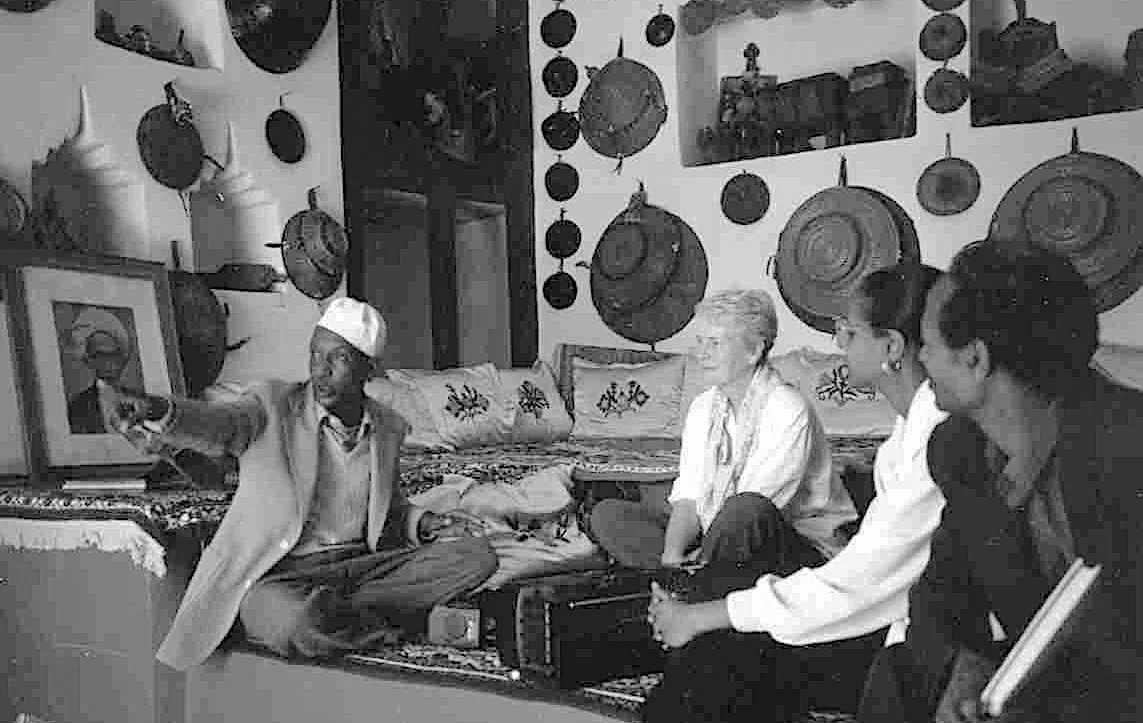
Ethiopia lies at the hub of ancient trade routes. Incense and obsidian were exported to Yemen in ancient times. Salt, mined in the Danakil region, has for millennia been transported west into the highlands, on into Sudan and beyond. Throughout the ages, as muleteers, camel drivers and merchants traded goods, they shared stories whose parallels can be found in Arabia and as far away as India. These narrative strands joined the huge store of home-grown tales whose roots lie deep within the varied cultures that make up the rich mix of Ethiopia today.
Folktales are like rivers, joined by tributaries, flowing and merging.
It is impossible to pinpoint the origin of folktales. But we hear echoes of Grimm’s fairy tales, Aesop’s fables, the Bible, the Qur’an, the Sanskrit Panchatantra, and the courtly stories of Arabia. As you read them, think of the generations of storytellers who passed on these tales in trading posts, homes and inns, on mountainsides and lake shores, in nomad camps and in the palaces of kings and emirs, embellishing them as they went.
A world within the tales
Recurring themes
Across languages and regions, familiar figures and questions return in new forms.
Origin and creation stories
These exist across folk cultures and are among the most fascinating. They muse on the origins of animals, of peoples and of the natural world. There are many in this collection.
Somalia How the Dog Became Man’s Friend →Animal fables
Familiar from Aesop’s tales, these are common in every region. They pass on wisdom and moral teaching. Stock characters recur: the cunning—or wise—fox, the powerful lion and the gullible donkey.
Oromia The Baboon Chief →Jesters
These tales echo the comic stories of Abu Nawas or Nasreddin, told throughout Arabia. They are meant to entertain.
Amhara Abba Hanna or The Greedy Man →The trickster
Like Loki in Norse mythology, Anansi in West Africa and Coyote in Native American traditions, these characters are unpredictable creators of mayhem who turn morality upside down.
Gambela Achok and his Mother →Shape-shifting and were-creatures
Metamorphosis is an ancient and recurring theme in many cultures, including Greek mythology and the shamanistic religions of Siberia. In Ethiopia, were-creatures are often cannibalistic ogres.
SNNPR · Ari The Hyena’s Cruelty →River demons
Magical beings inhabiting rivers are found throughout the world: Tiberinus in ancient Rome, the naiads in Greece and water kelpies in Scotland. Ethiopian river demons are at the nastier end, posing a threat to girls collecting water.
Benishangul-Gumuz Jahiti →Fairy tales
Classic tropes from fairy tales worldwide are found in Ethiopian folktales: the cruel stepmother who favours her own children; the despised younger son who defeats his older brothers; and the old man whose strange advice, if followed, leads to riches.
The clever woman
There are many stories of faithless wives tricking husbands, but also of clever wives who save their foolish husbands from disaster.
Afar The Hunter’s Bride →The father’s inheritance
Many stories show how a wise father divides his property between his sons.
Sidama · SNNPR The Shield of Kindness →Read slowly
What do these stories tell us?
Often, at the end of a storytelling session, someone asks, “And what is the meaning of the story?” There follows a wide-ranging discussion on politics, morality and society. Read slowly and with attention, and you may find profound meanings too.
Wolayita Everything Passes →